Creating a Comic Book World
When Sony Pictures Animation began developing Spider-Man: Into the Spider-Verse, the filmmakers wanted to create an animated film unlike anything audiences had seen before. Rather than aiming for realistic computer-generated animation, the team focused on recreating the bold style and energy of comic books. Every department, from story artists to animators and technical directors, collaborated to build a visual style that combined traditional comic book artwork with modern 3D animation. This creative vision required the team to rethink many standard animation techniques and develop new tools that would allow the film to capture the look and feel of a living comic book. (Suriya, 2023; Thompson, 2019)
Blending Art with Technology
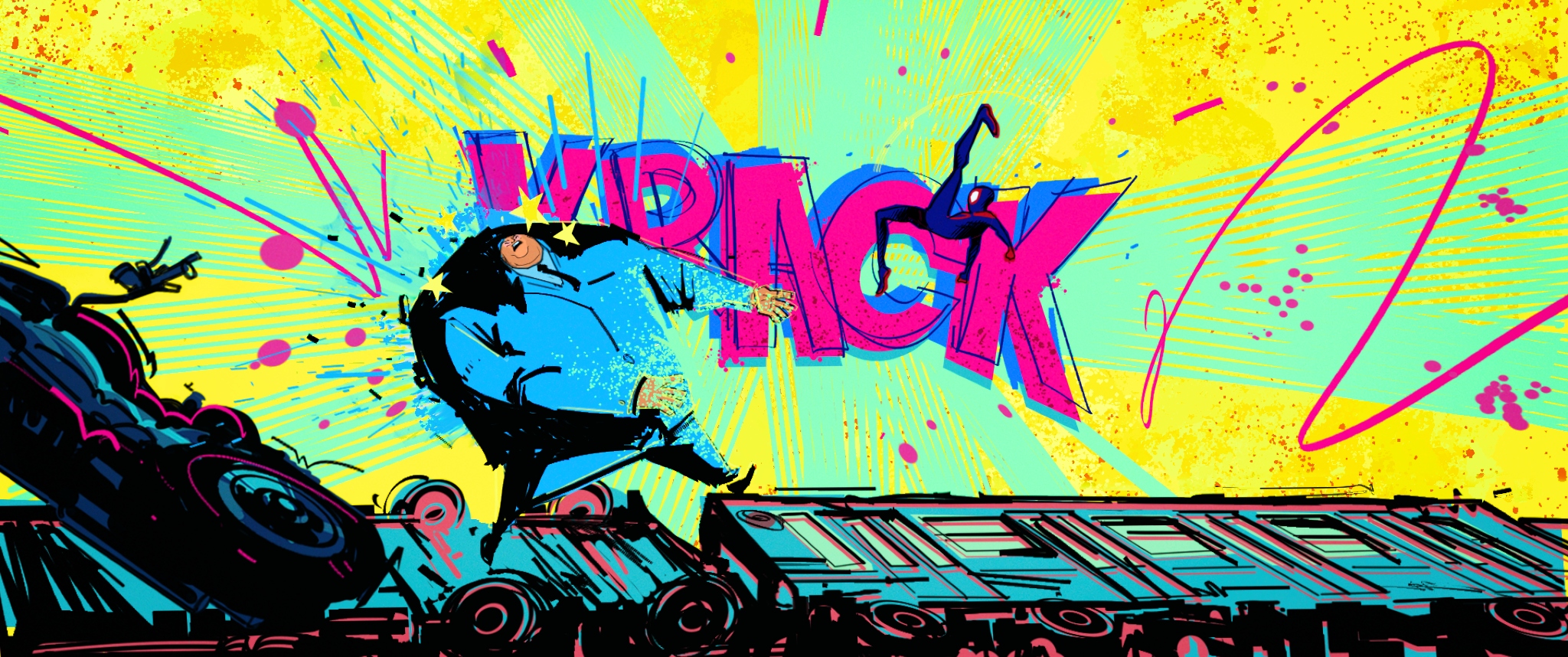
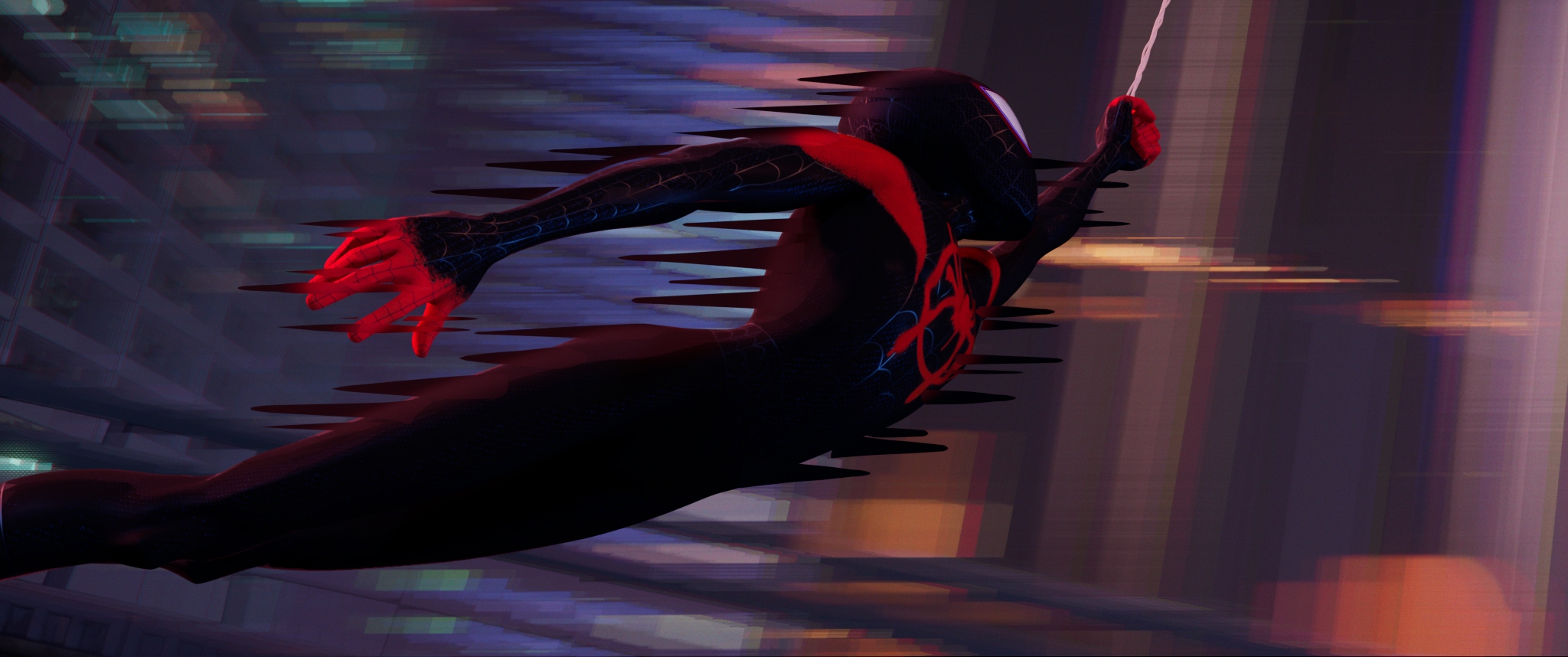
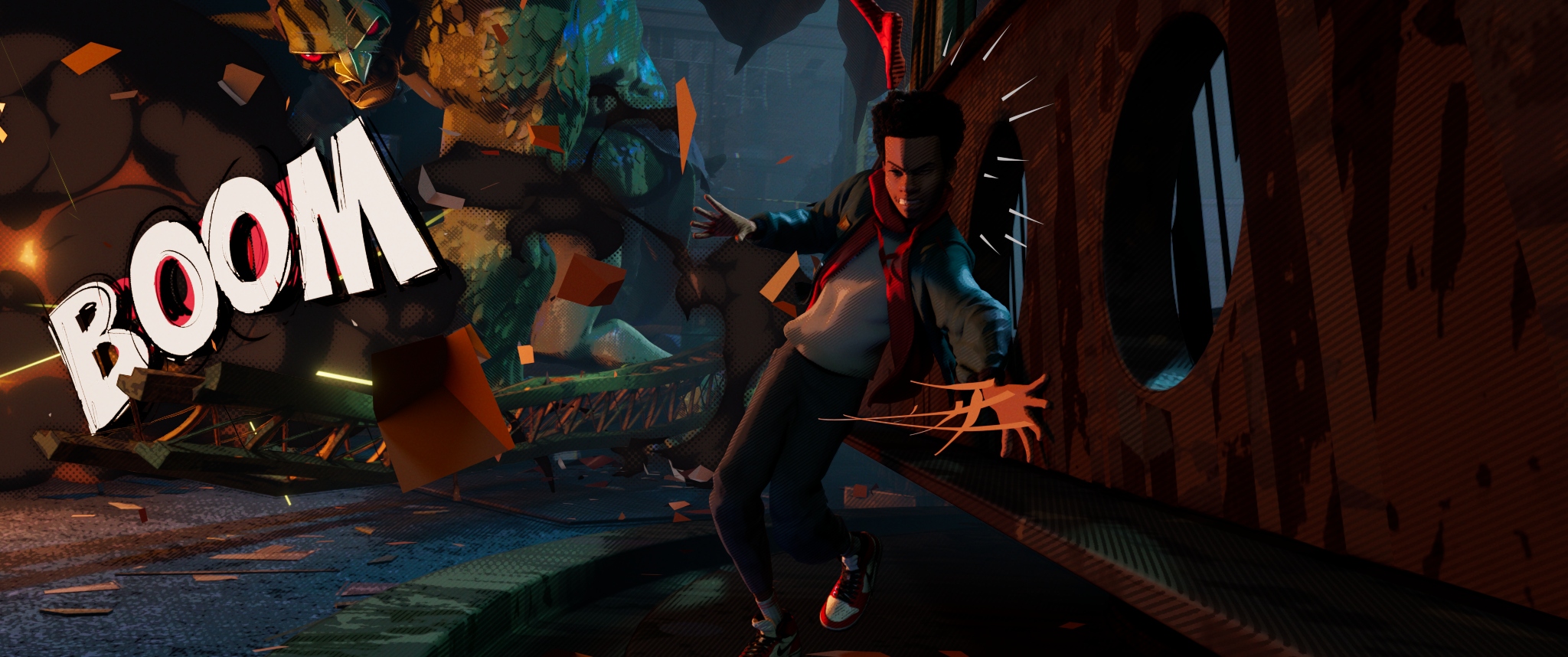
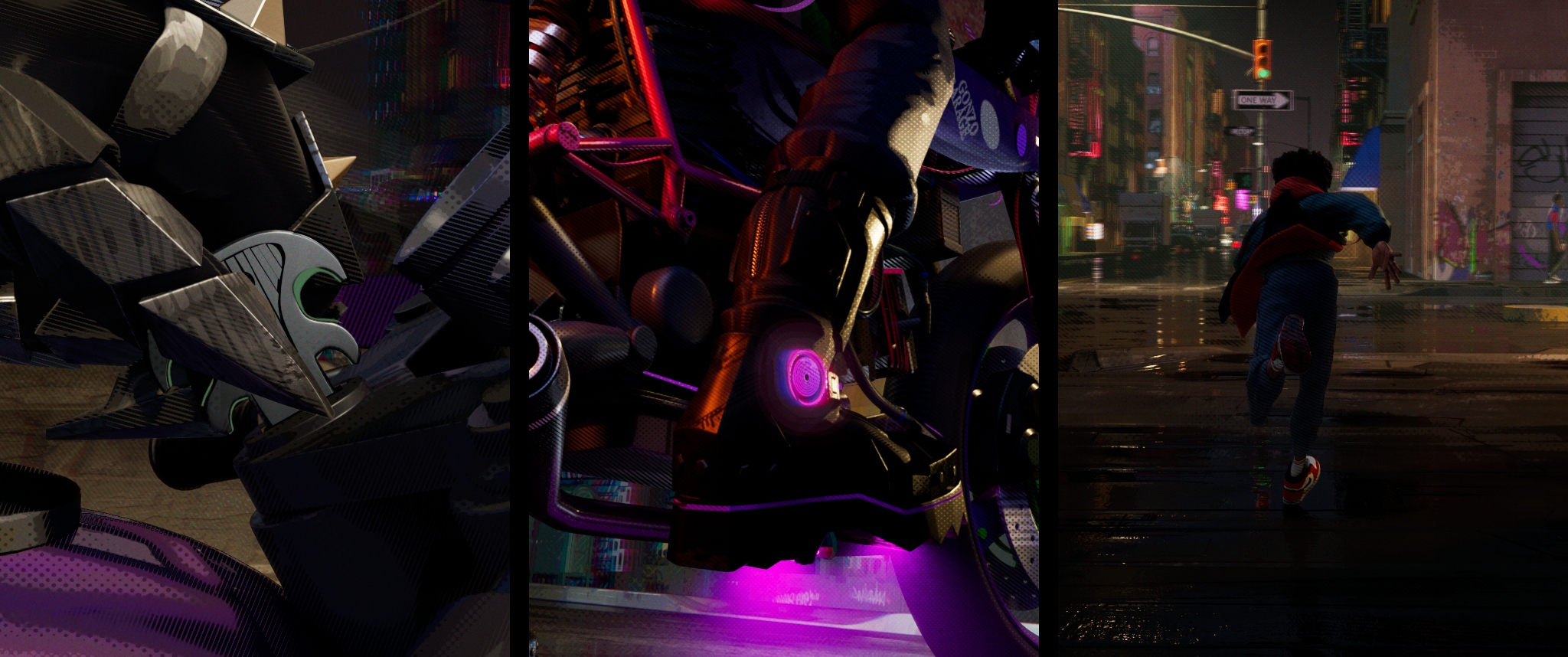
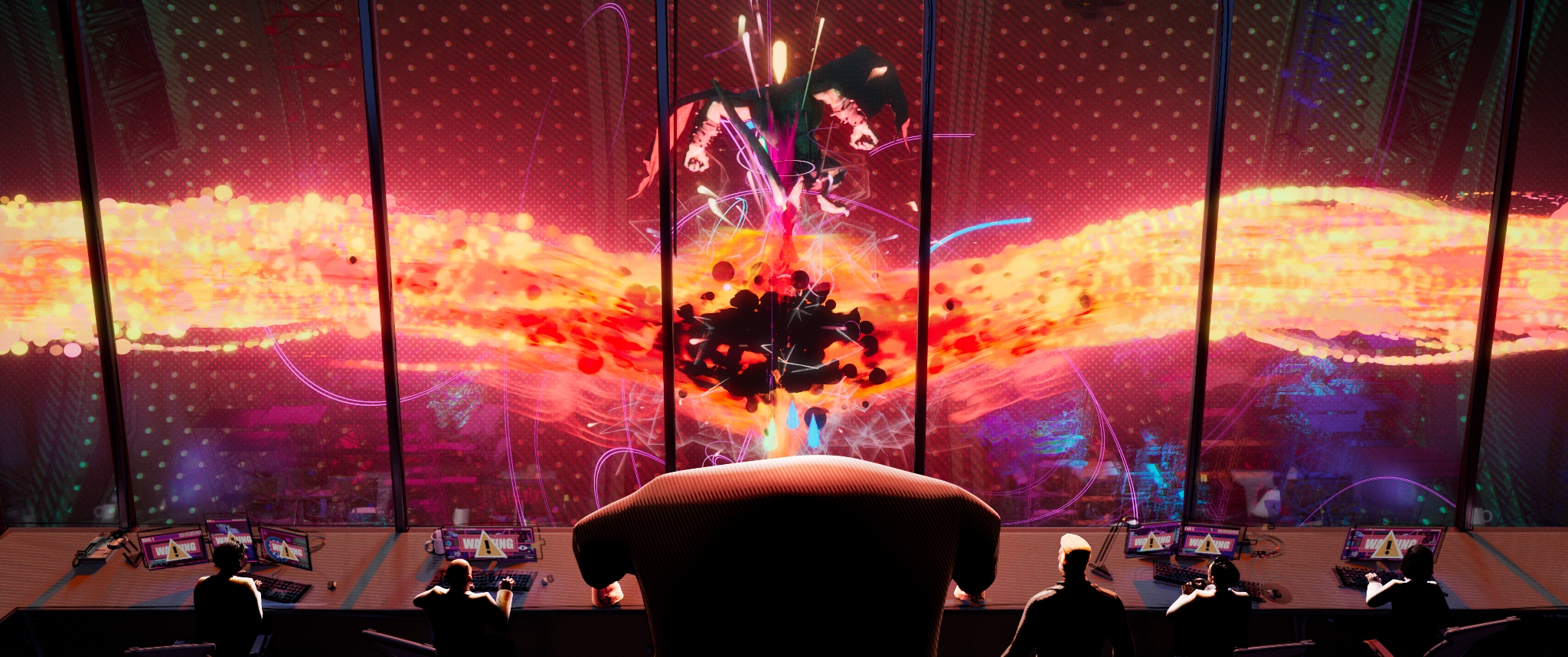
Bringing this unique style to life required more than artistic talent—it also demanded technical innovation. Sony Pictures Imageworks created custom production tools that allowed artists to incorporate comic-inspired details such as halftone patterns, bold line work, and color separation into computer-generated scenes. The team also used machine learning to assist with facial line work while allowing animators to focus on character performance and emotion. Many sequences were animated “on twos,” where each drawing appears for two frames instead of one, giving the movement a handcrafted quality that closely resembles traditional animation while still benefiting from modern computer technology. Together, these techniques created a visual style that felt fresh, expressive, and unlike any previous animated film. (Sony Pictures Imageworks, n.d.; Suriya, 2023)
Animation Techniques Gallery
The images below highlight some of the innovative animation techniques and comic-inspired visuals that made Spider-Man: Into the Spider-Verse a groundbreaking film. Together, they showcase how Sony Pictures Animation and Sony Pictures Imageworks combined traditional comic-book artwork with modern technology to create a distinctive visual style that changed the future of animation.
Changing the Future of Animation
The success of Spider-Man: Into the Spider-Verse proved that audiences were eager to embrace new artistic styles instead of expecting every animated film to look realistic. By encouraging experimentation and combining creative storytelling with innovative technology, the filmmakers demonstrated that animation could continue evolving in exciting ways. The film’s groundbreaking production methods have since influenced other studios and inspired many artists to explore new visual techniques that blend traditional artwork with digital animation. Today, Spider-Man: Into the Spider-Verse remains one of the most influential animated films of its generation because it showed that creativity and technology work best when they complement one another. (Marila Jane, 2024; Thompson, 2019)
References
Marila Jane. (2024). Into the Spider-Verse animation techniques. https://marilajane.substack.com/p/into-the-spider-verse-animation-techniques
Sony Pictures Imageworks. (n.d.). Spider-Man™: Into the Spider-Verse. https://www.imageworks.com/our-craft/feature-animation/movies/spider-man-spider-verse
Suriya. (2023). Spider-Man: Into the Spider-Verse: A balance between art and technology. EverythingCG. https://medium.com/everythingcg/spider-man-into-the-spider-verse-a-balance-between-art-and-technology-e7b88aab2a56
Thompson, L. (2019, March 12). How Spider-Man: Into the Spider-Verse’s animation style came to be. Forbes. https://www.forbes.com/sites/lukethompson/2019/03/12/how-spider-man-into-the-spider-verses-animation-style-came-to-be/