A New Direction for Animated Films
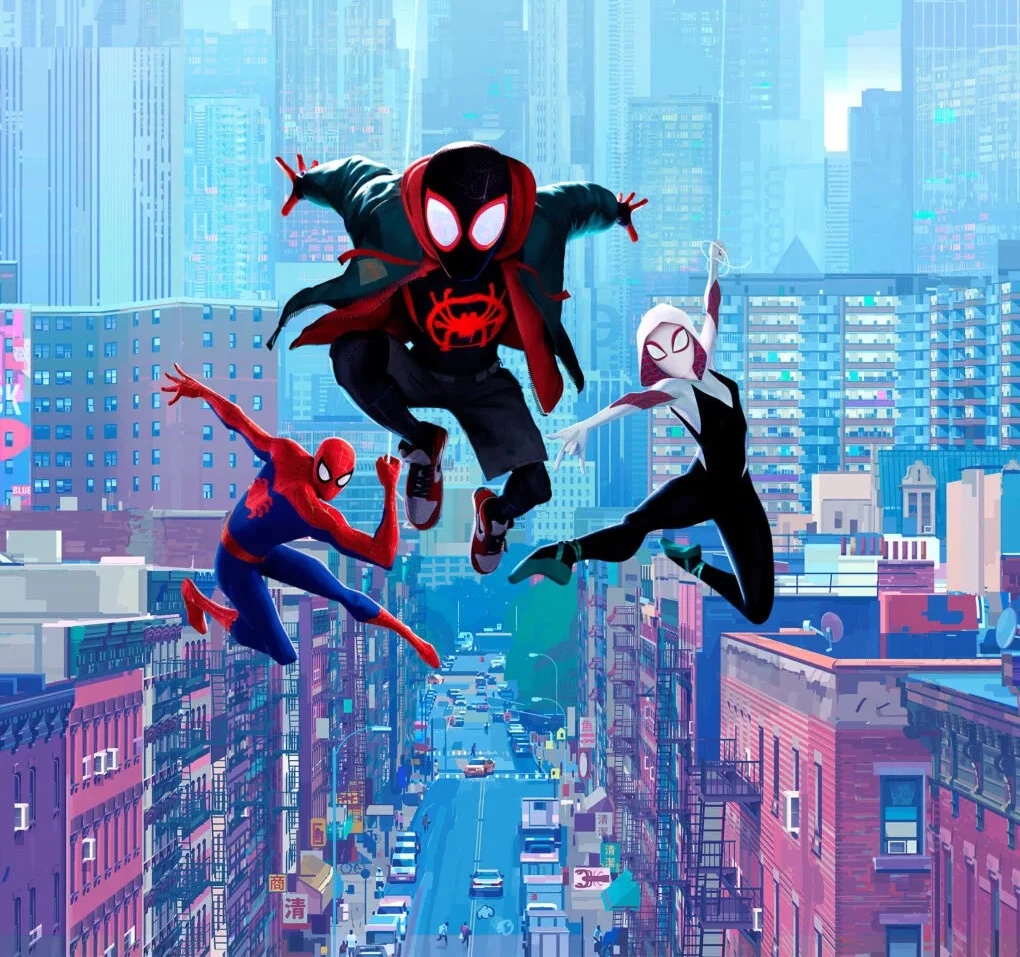
When Spider-Man: Into the Spider-Verse premiered in 2018, it introduced a visual style that stood out from other animated films. Instead of trying to make every scene look as realistic as possible, the filmmakers combined hand-drawn comic book elements with modern 3D computer animation. The result was a movie that looked like a comic book brought to life while still taking advantage of today’s animation technology. Its unique appearance immediately caught the attention of audiences and critics, proving that animated films could succeed by embracing creativity rather than following the same visual formula. (Tobias, 2019)
Image credit: Sony Pictures Animation. Spider-Man: Into the Spider-Verse (2018)
Blending Comic Book Art with 3D Animation
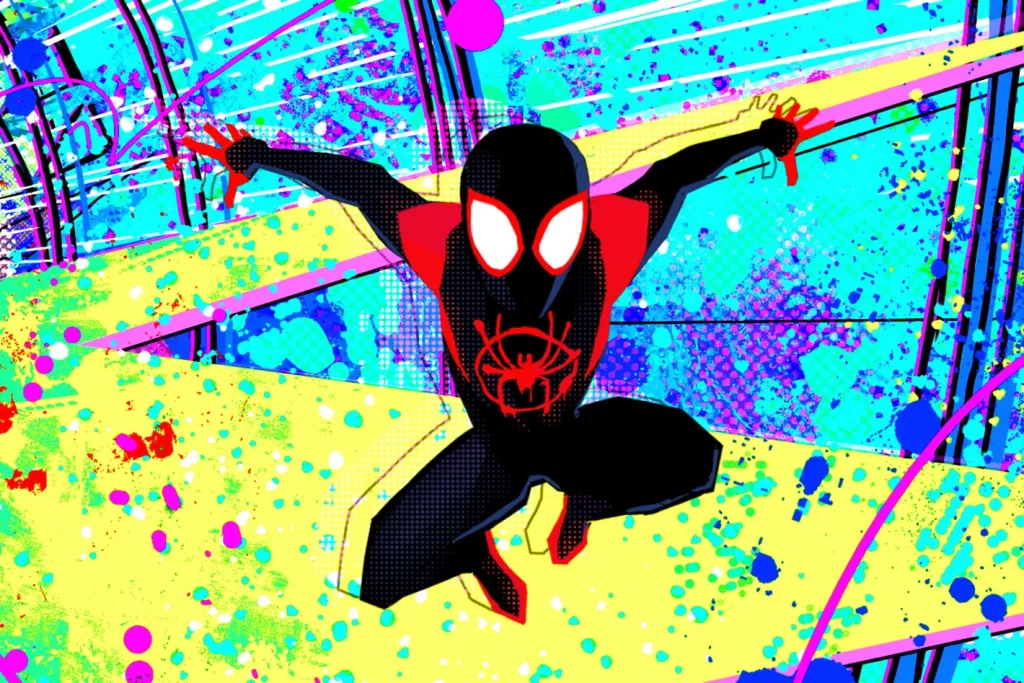
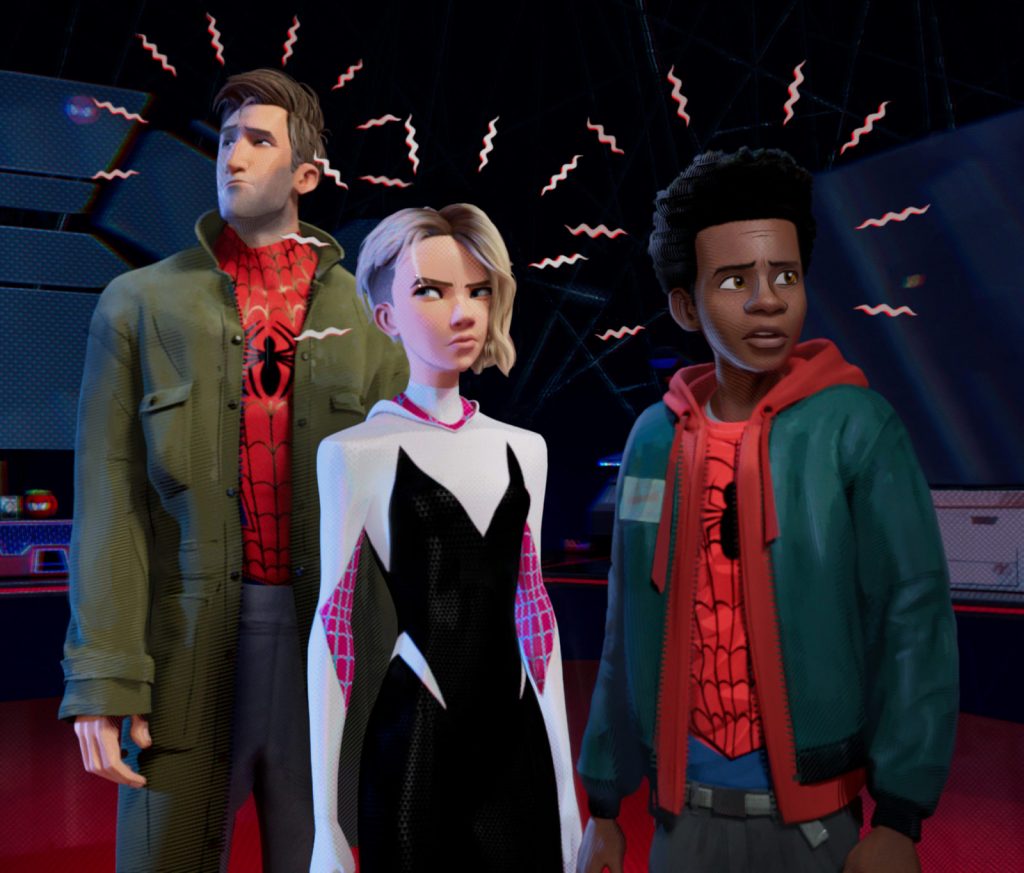
One of the most impressive parts of Spider-Man: Into the Spider-Verse is how it combines two completely different animation techniques into one seamless style. The artists layered comic book details such as halftone dots, motion lines, speech bubble-inspired effects, and bold color choices over detailed 3D environments and character models. Instead of hiding the animation process, the movie celebrates its comic book origins by making every frame look like it belongs on the page of a graphic novel. This creative approach gave the film its own identity and demonstrated that animation does not need to look realistic to feel immersive and exciting. (Tobias, 2019)
.
Using Animation to Support the Story
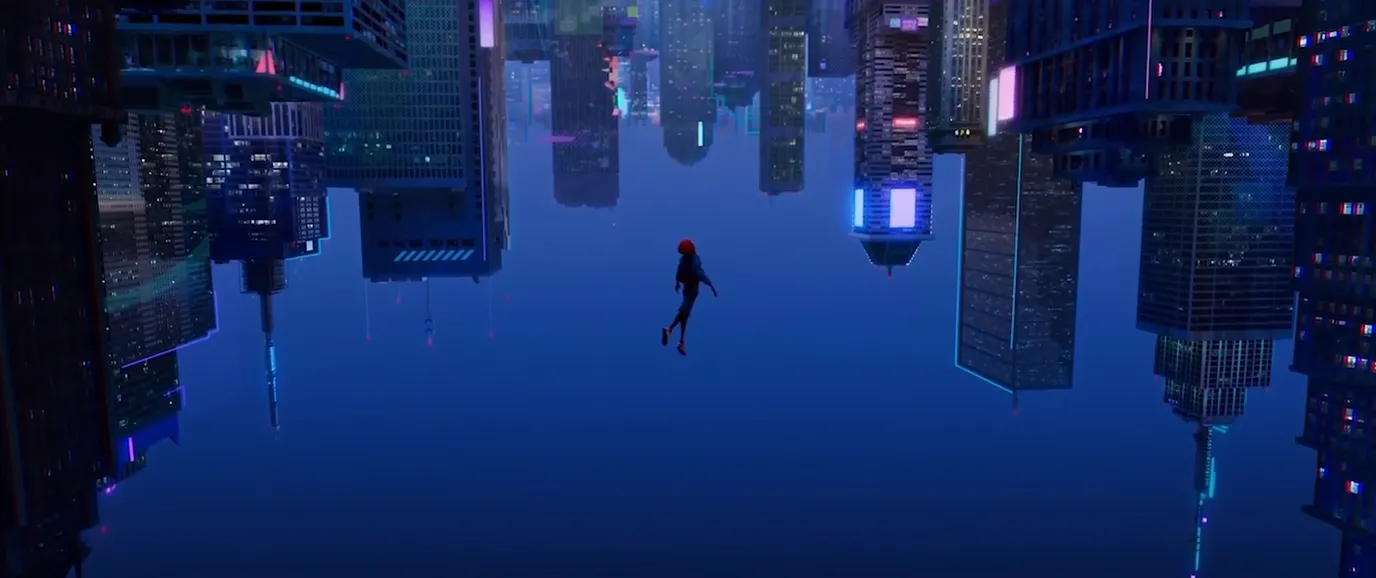
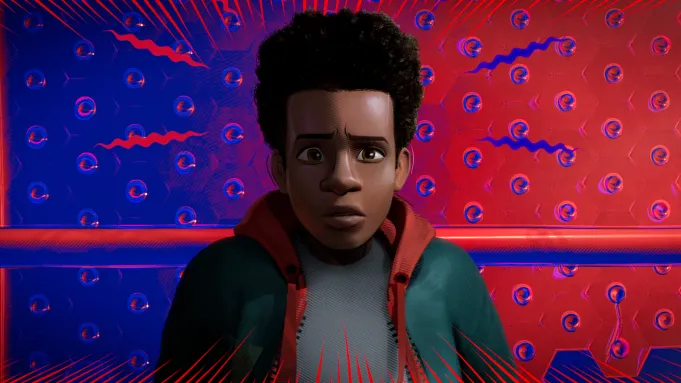
The animation style does more than create impressive visuals—it also helps tell Miles Morales’ story. Throughout the movie, the artwork changes as Miles becomes more confident in his abilities. Early scenes often emphasize uncertainty through visual effects and movement, while later scenes become smoother and more energetic as he accepts the responsibility of becoming Spider-Man. One of the best examples is the famous “Leap of Faith” sequence, where the combination of music, color, and animation creates an emotional moment that symbolizes Miles finally believing in himself. The visuals become an important storytelling tool instead of simply serving as decoration. (Del Rosario, 2019)
A Style That Continues to Inspire
The success of Spider-Man: Into the Spider-Verse demonstrated that audiences appreciate animation that takes creative risks. Its distinctive blend of comic book artwork and 3D animation has influenced discussions about the future of animated filmmaking and encouraged studios to explore more stylized visual techniques. Rather than becoming a one-time experiment, Spider-Verse established a new creative direction that continues to shape conversations about modern animation. Its impact can still be seen today as filmmakers look for new ways to combine artistic expression with advancing technology. Whether through bold color palettes, expressive frame rates, or comic-inspired visual effects, the legacy of Spider-Man: Into the Spider-Verse continues to inspire artists and audiences alike while proving that animation can constantly evolve in exciting new ways. (TheWrap, 2019; Tobias, 2019)
References
Boucher, G. (2018, December 12). Sony gets inventive, seeks patents for Spider-Man: Into the Spider-Verse animation tech.Deadline. https://deadline.com/2018/12/sony-gets-inventive-seeks-patents-for-spider-man-into-the-spider-verse-animation-tech-1202518373/
Del Rosario, A. (2019, February 25). Spider-Man: Into the Spider-Verse’s leap of faith scene is the movie’s heart.Polygon. https://www.polygon.com/2019/2/25/18234722/spider-man-into-the-spider-verses-leap-of-faith-scene
IGN. (2021, November 27). Why Into the Spider-Verse’s “Leap of Faith” is like no other superhero scene.https://www.ign.com/articles/why-into-the-spider-verses-leap-of-faith-is-like-no-other-superhero-scene
The 1A. (2019, February 12). How “Spider-Man: Into the Spider-Verse” changed animation. https://the1a.org/segments/2019-02-12-into-the-spiderverse/
TheWrap. (2019, November 1). Spider-Man: Into the Spider-Verse sequel sets three directors.https://www.thewrap.com/spider-man-into-the-spider-verse-sequel-sets-three-directors/
Tobias, S. (2019, January 18). How Spider-Man: Into the Spider-Verse changed animation.Vulture. https://www.vulture.com/2019/01/how-spider-man-into-the-spider-verse-changed-animation.html